The Safety Desk
The scam of the week, before it reaches you.
Consumer safety in plain language: scams, recalls, online safety and being ready.
Desk 01
The red flag checker
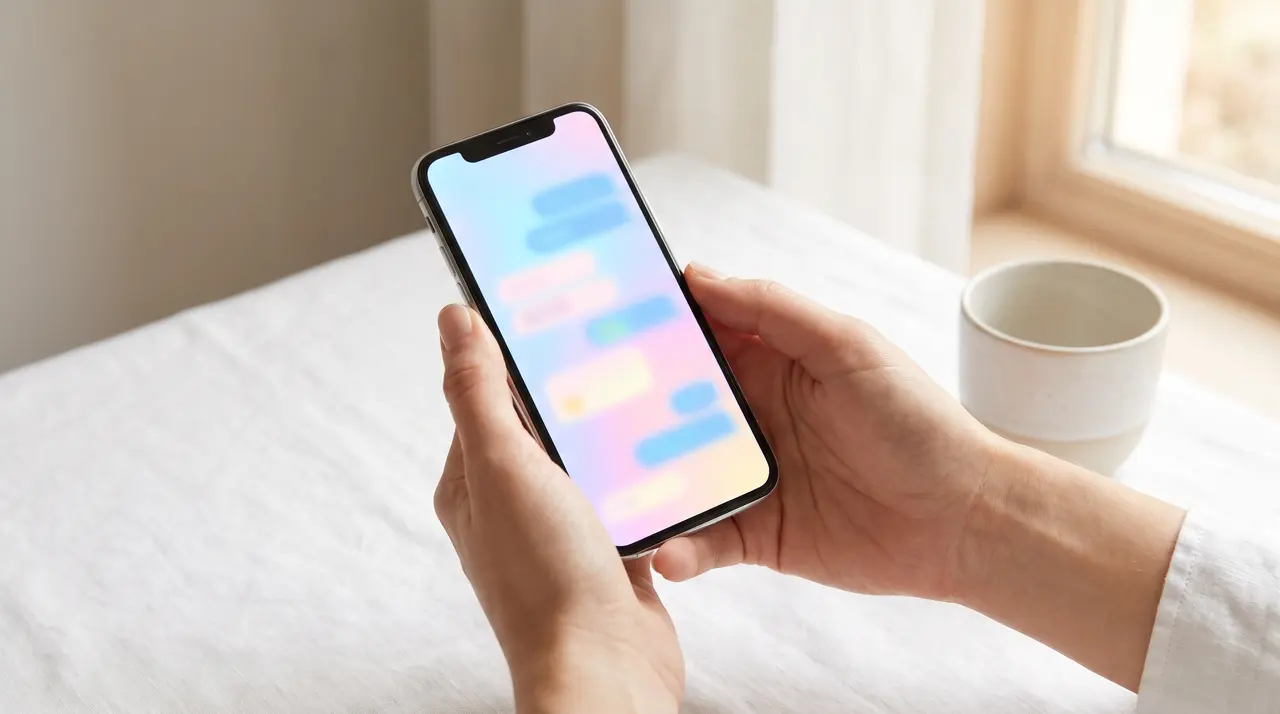
Something arrived and it does not sit right. Answer eight questions, or paste the wording, and the checker shows which classic scam patterns are present and what to do next. It gives guidance, never a verdict: no tool can tell you a message is safe.
- 01
They contacted you first, out of the blue.
An unexpected call, text, email or message keeps you inside a conversation someone else started. Genuine organisations are happy for you to hang up and contact them back on details you find yourself.
- 02
There is a deadline, a threat or a reward that needs action now.
Urgency is built in to stop you pausing. Account closures within hours, fines that double, parcels about to be returned and prizes that expire are all pressure, not information.
- 03
They want payment by gift card, crypto, a wire transfer or a money app.
These methods are fast and very hard to reverse, which is why they are requested. Government agencies and genuine businesses do not ask to be paid in gift cards.
- 04
They ask for a one time code, a password, a PIN or remote access to your device.
A code sent to your phone is the last lock on your account. No genuine bank, telco or support desk needs you to read it out, and no one should need to control your computer to help you.
- 05
You are asked to keep it secret, or not to tell your bank or family.
Secrecy cuts you off from the people most likely to spot the problem. A request to keep something from your bank is a reason to call your bank.
- 06
Bank details for a bill, invoice or person have suddenly changed.
A change of account details is one of the most common ways payments are redirected. Confirm any change by calling a number you already hold, never one given in the same message.
- 07
The price, return or prize is far better than anywhere else.
Unusually cheap rentals and goods, guaranteed investment returns and wins in draws you never entered are bait. If it seems too good to be true, treat it that way.
- 08
The link, website or sender address looks slightly off.
Look past the logo. Check the real sender address, hover over links before you tap, and type a known web address yourself instead of following one you were sent.
Nothing you paste leaves this tab: there is no form, no upload and no storage. Remove names and account numbers anyway.
What the checker noticed
Desk 02
The recall guide
Pick a product category. The guide tells you where official recalls for it are listed in Australia, where to find the number that identifies your item, and what to do if it matches. It does not list current recalls: check the official list itself.
Toys and nursery
- Where recalls are listed
- Product Safety Australia productsafety.gov.au
- Find the identifier
- The model or batch number, usually on the base, a sewn in label, the battery cover or the packaging. Nursery gear such as prams and cots often carries it on the frame.
- Common hazards
- Small parts, button batteries and magnets that can be swallowed, cords and loops, and folding mechanisms that can collapse.
Read next
Electrical and batteries
- Where recalls are listed
- Product Safety Australia productsafety.gov.au
- Find the identifier
- The model number on the rating plate or compliance label, often under the base or near where the cord enters. Chargers and power packs carry their own label.
- Common hazards
- Overheating, damaged or undersized cords, faulty chargers and lithium battery fires.
Read next
Food and drink
- Where recalls are listed
- Food Standards Australia New Zealand foodstandards.gov.au
- Find the identifier
- The product name, the pack size, the batch or lot code and the use by or best before date, all printed on the pack.
- Common hazards
- Undeclared allergens, microbial contamination and foreign objects in the product.
Read next
Vehicles and parts
- Where recalls are listed
- Vehicle recalls, Australian Government vehiclerecalls.gov.au
- Find the identifier
- The vehicle identification number (VIN), printed on your registration papers and on a plate inside the vehicle. Manufacturers usually write to the registered owner, so keep your address up to date.
- Common hazards
- Faults in airbags, brakes, seatbelts, steering, fuel and electrical systems. Child car seats and helmets are listed with consumer products.
Read next
Medicines and medical devices
- Where recalls are listed
- Therapeutic Goods Administration (TGA) tga.gov.au
- Find the identifier
- The AUST R or AUST L number, the batch number and the expiry date on the box, bottle or device label.
- Common hazards
- Labelling errors, contamination, the wrong strength, and faults in devices such as monitors and test kits. If a medicine you take is recalled, speak with your pharmacist or doctor before you stop taking it.
Read next
Furniture and household
- Where recalls are listed
- Product Safety Australia productsafety.gov.au
- Find the identifier
- The model name and number on a label under a drawer, on the back panel, or in the assembly instructions you kept.
- Common hazards
- Tip over, entrapment, collapse, and cords on blinds and curtains.
Read next
If your item matches a notice
- Stop using it, and keep it away from children.
- Follow the notice: it says whether to return it, have it repaired or get a refund, and who to contact.
- Do not sell, give away or donate a recalled item.
- Register larger items such as car seats, prams and appliances with the maker, so you are contacted next time.
The method
Pause. Check. Verify.
Most scams are ultimately defeated not through clever detection skills but by a genuinely simple pause: a deliberate moment inserted between receiving a request and actually acting on it, long enough to ask yourself whether the whole situation truly makes sense and whether it can be verified independently through some other channel first.
- PausePut time between the request and your answer. Sleep on anything about money, passwords or personal details.
- CheckTalk it through with one person you trust. Saying it out loud often shows the gap.
- VerifyUse a channel you choose yourself: a number you already hold, a website you type in.

Desk 03
Eight desks, 210 reads
Every read in the library is an evergreen explainer: patterns, habits and checks that stay true. Pick a desk.
- Scams
- Online
- Money
- Devices
- Products
- Home
- Family
- Travel
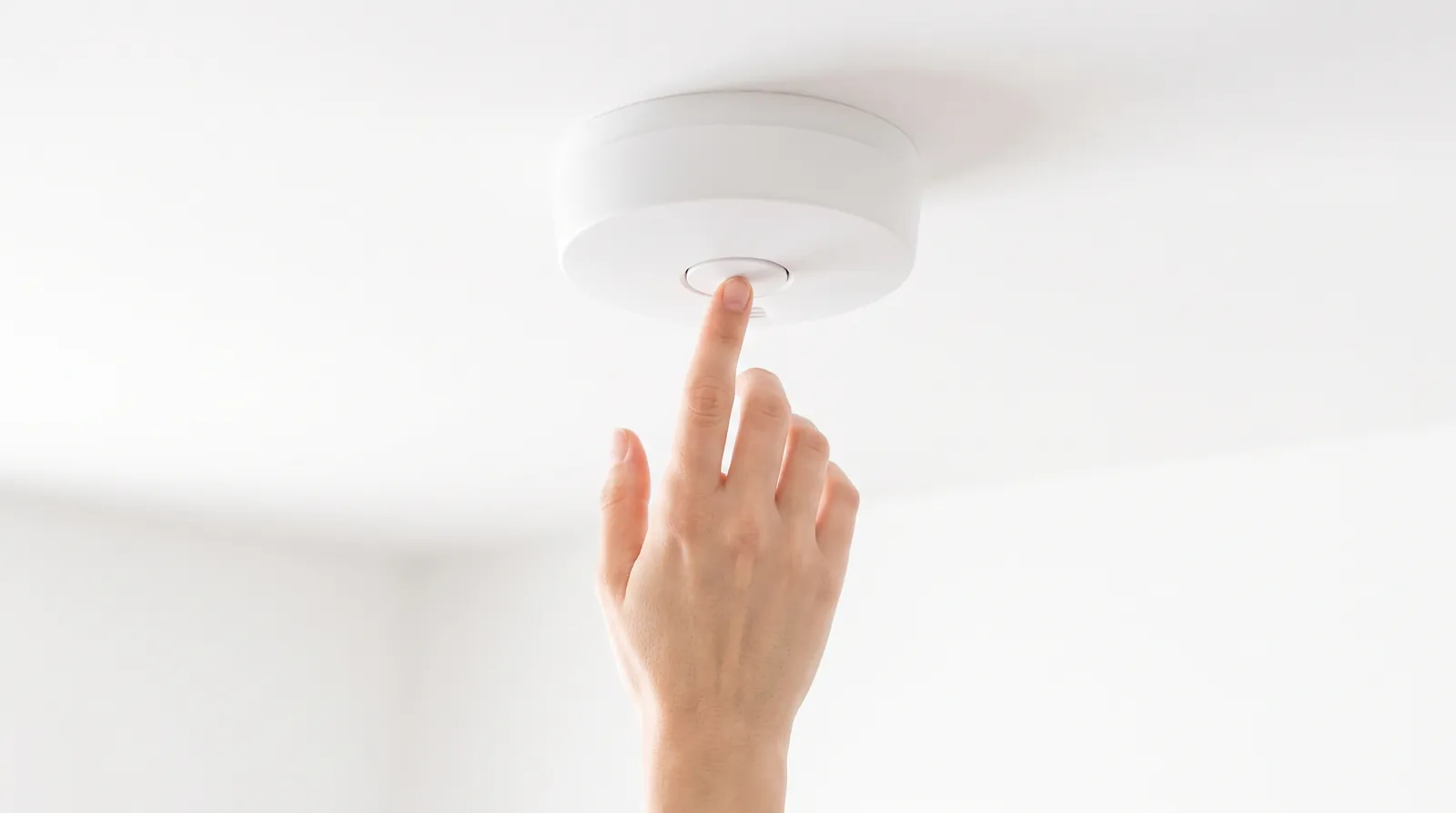
The emergency kit checklist
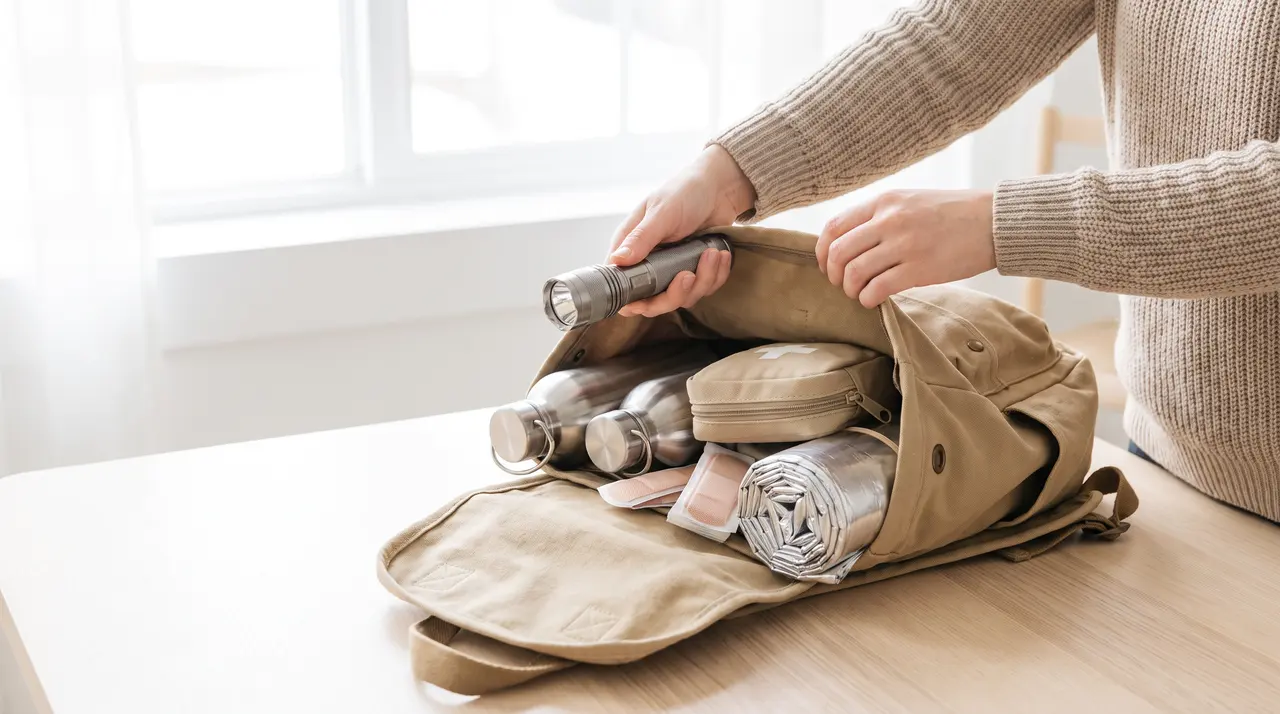
An emergency kit does not need to be elaborate to be genuinely useful in a real disruption.
Your ticks are remembered in this browser only. Check the kit every few months and replace expired batteries and ageing food.
From the library
A few reads to start with
 Digital hygieneUnderstanding Password ManagersA password manager generates and stores strong, unique passwords for every account, removing the genuinely impossible task of...1 min read
 Family safetyPreparing Teens for Independence SafelyGradually increasing independence, such as allowing a teenager to travel to a familiar location entirely alone before progressing...1 min read
 Home preparednessCreating a Family Emergency Plan TogetherA family emergency plan does not need to cover every conceivable scenario in exhaustive detail to be genuinely useful. It works...1 min read
 Money safetyProtecting Your PIN in PublicA PIN only offers real, meaningful protection if it genuinely stays private, which means covering the keypad with your other hand...1 min read
 Online safetyA Safe Online Shopping Checklist for Any WebsiteBefore entering payment details on any new website, a short mental checklist can prevent most common problems from arising: does...1 min read
 Product safety basicsHow to Check for Product RecallsProducts are recalled for a wide range of reasons, from a manufacturing fault through to a newly identified safety risk...1 min read
Photo credits for these pictures (Creative Commons, via Wikimedia Commons)
- CONSUMER PROTECTION OFFICE IN THE DEVELOPMENT ENGINEERING BUILDING DEB ANNEX - NARA - 17423962 by Martin Brown (Public domain), via Wikimedia Commons
- Folding box label for Windsor Boneless Herring, with illustration, cooking instructions, and patent warning LCCN2002698017 by Miscellaneous Items in High Demand, PPOC, Library of Congress (Public domain), via Wikimedia Commons
- Creating a chessboard by Rwebogora (CC BY-SA 4.0), via Wikimedia Commons
- Avoiding theft - protecting the integrity of your nonprofit. - DPLA - 7c5c1eefd397f426cc1facc47a3124dd by (Public domain), via Wikimedia Commons
- CONSUMER PROTECTION OFFICE IN THE DEVELOPMENT ENGINEERING BUILDING DEB ANNEX - NARA - 17423959 by Martin Brown (Public domain), via Wikimedia Commons
- Canceled Check for President Abraham Lincoln's Salary, Pay Due Mr. Lincoln from April 5 to and Including April 14, 1865 (back) by Treasury of the United States (Public domain), via Wikimedia Commons


